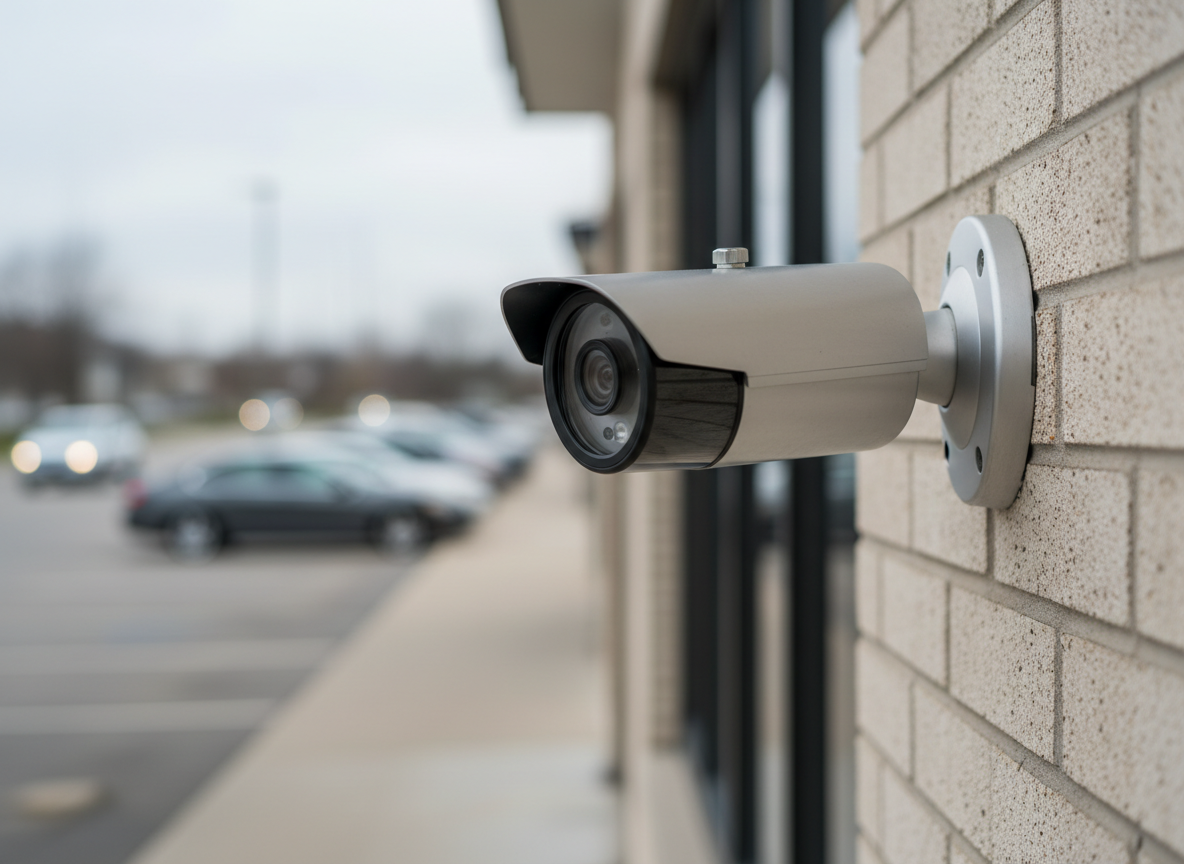
How Surveillance Video Can Change a California Personal Injury Case
Video can resolve factual disputes that photographs and witness recollection cannot. But many recording systems retain footage only temporarily.
Identify cameras immediately
Potential sources include businesses, residences, apartment buildings, parking structures, buses, commercial vehicles, dashcams, nearby drivers, and public agencies. Record the location and direction of each camera.
Do not assume a business will preserve footage automatically
Routine systems may overwrite recordings after days or weeks. A prompt preservation request can identify the specific date, time, location, and type of footage that should be retained. Whether a particular person or entity has a legal preservation obligation depends on the circumstances.
Preserve the original file when possible
A cell-phone recording of a monitor is not equivalent to the original digital file. The original may contain better resolution, a broader field of view, timestamps, metadata, or additional footage before and after the event.
Video can prove more than impact
Footage may show traffic-signal phases, vehicle movement, speed context, a dangerous property condition, how long a spill existed, warnings or lack of warnings, witness locations, or the claimant’s movements immediately after an incident.
Video can also hurt a claim
Evidence should be evaluated objectively. A recording may contradict a witness, show comparative fault, or undermine an assumption about how an event occurred.
Act before the recording disappears
If surveillance evidence may exist, early investigation can be critical.
Glendale Law Group investigates and litigates personal-injury matters involving surveillance footage, dashcam evidence, and other recordings throughout Southern California. Call (818) 745-0101 for a free consultation.
This article provides general information only and is not legal advice. Reading it does not create an attorney-client relationship. Deadlines and rights depend on the facts, applicable law, and insurance policy language.