What Evidence Matters Most After a California Bicycle Accident?
Bicycle accident claims often depend on evidence that can disappear quickly. The condition of the roadway, vehicle positions, witness memories, and video recordings may change or become unavailable within days.
Document the scene
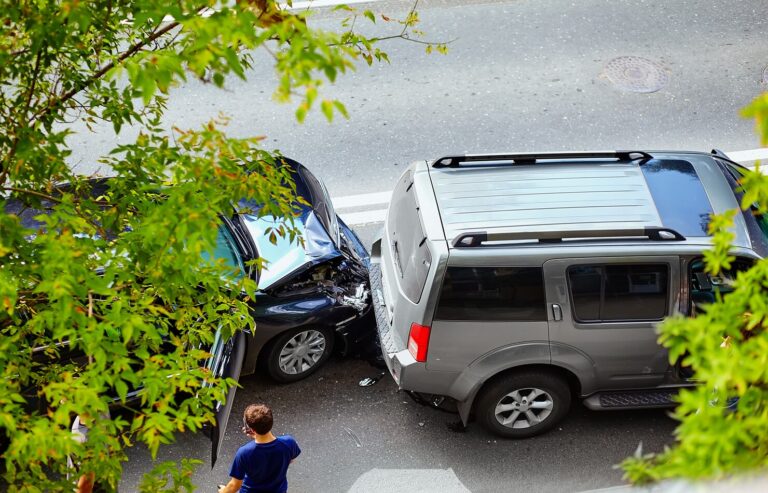
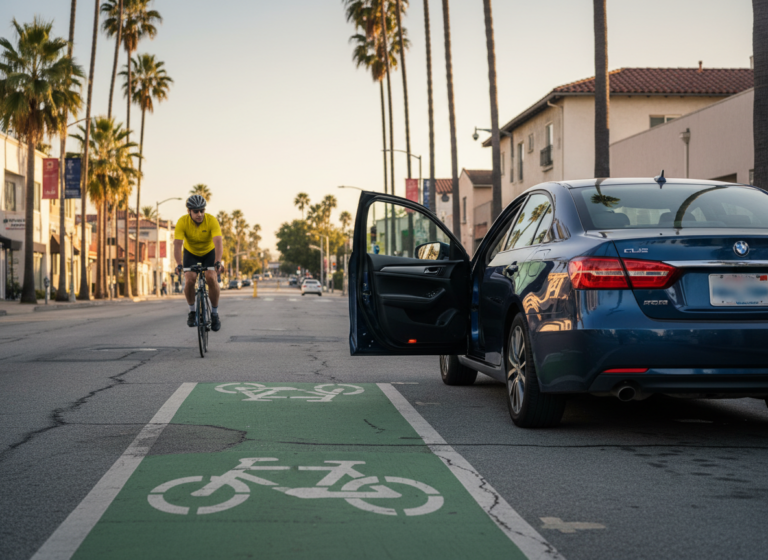
When it can be done safely, photograph the intersection or roadway, bicycle lane, traffic controls, skid marks, debris, vehicle positions, and areas of impact. Wide photographs help show context while close photographs can document specific damage or hazards.
Preserve the bicycle and equipment
Do not immediately repair or discard the bicycle, helmet, lights, clothing, or other damaged equipment when liability or impact mechanics may be disputed.
Identify video sources
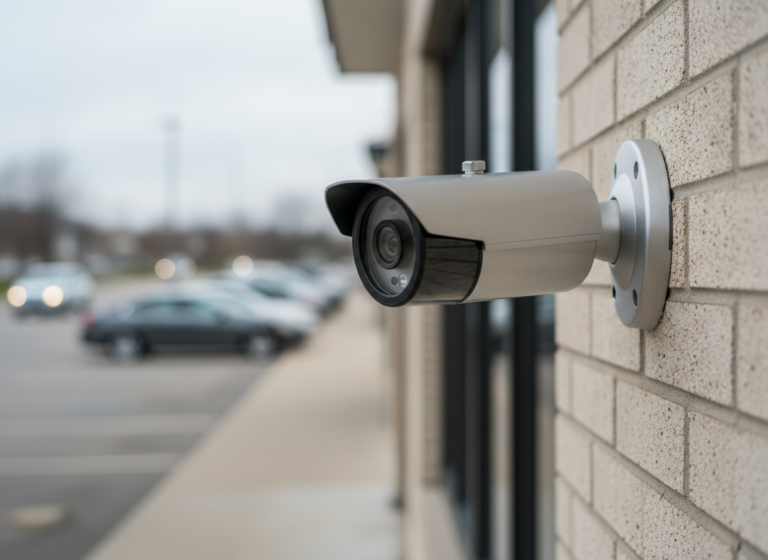
Look for business cameras, residential cameras, traffic systems, buses, dashcams, rideshare vehicles, and nearby motorists. Recordings may be overwritten automatically.
Obtain witness information
Independent witnesses can be important when the cyclist and driver give different accounts. Obtain names and reliable contact information as soon as possible.
Preserve medical evidence
Accurately report symptoms and how the collision occurred. Keep emergency records, imaging, referrals, treatment records, work restrictions, and future-care recommendations.
Understand roadway rights and responsibilities
California Vehicle Code section 21200 generally gives bicyclists on highways the rights and duties applicable to vehicle drivers, subject to bicycle-specific rules and provisions that cannot apply by their nature. Fault therefore depends on the particular roadway, traffic controls, movements, and conduct involved.
Insurance evidence matters too
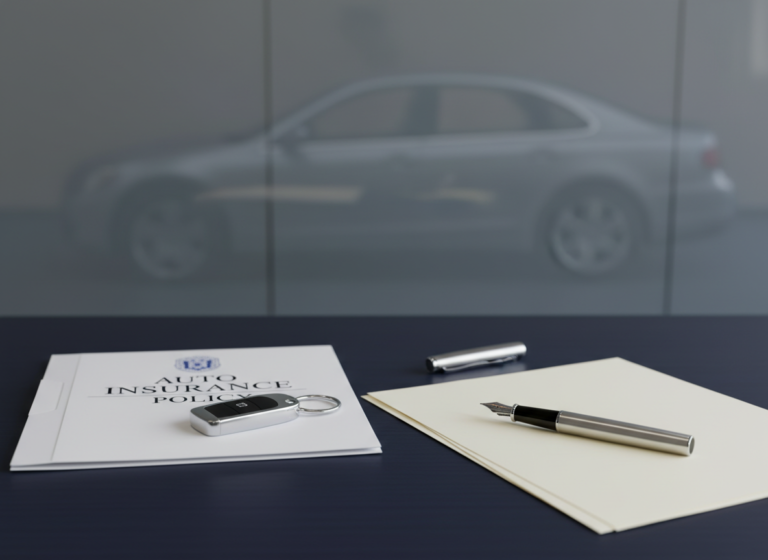
Keep all available driver, owner, and insurance information. Depending on the facts and policy language, other coverage—including uninsured or underinsured motorist coverage—may also require evaluation.
Glendale Law Group represents injured cyclists throughout Glendale, Los Angeles, and Southern California. Call (818) 745-0101 for a free consultation.
This article provides general information only and is not legal advice. Reading it does not create an attorney-client relationship. Deadlines and rights depend on the facts, applicable law, and insurance policy language.