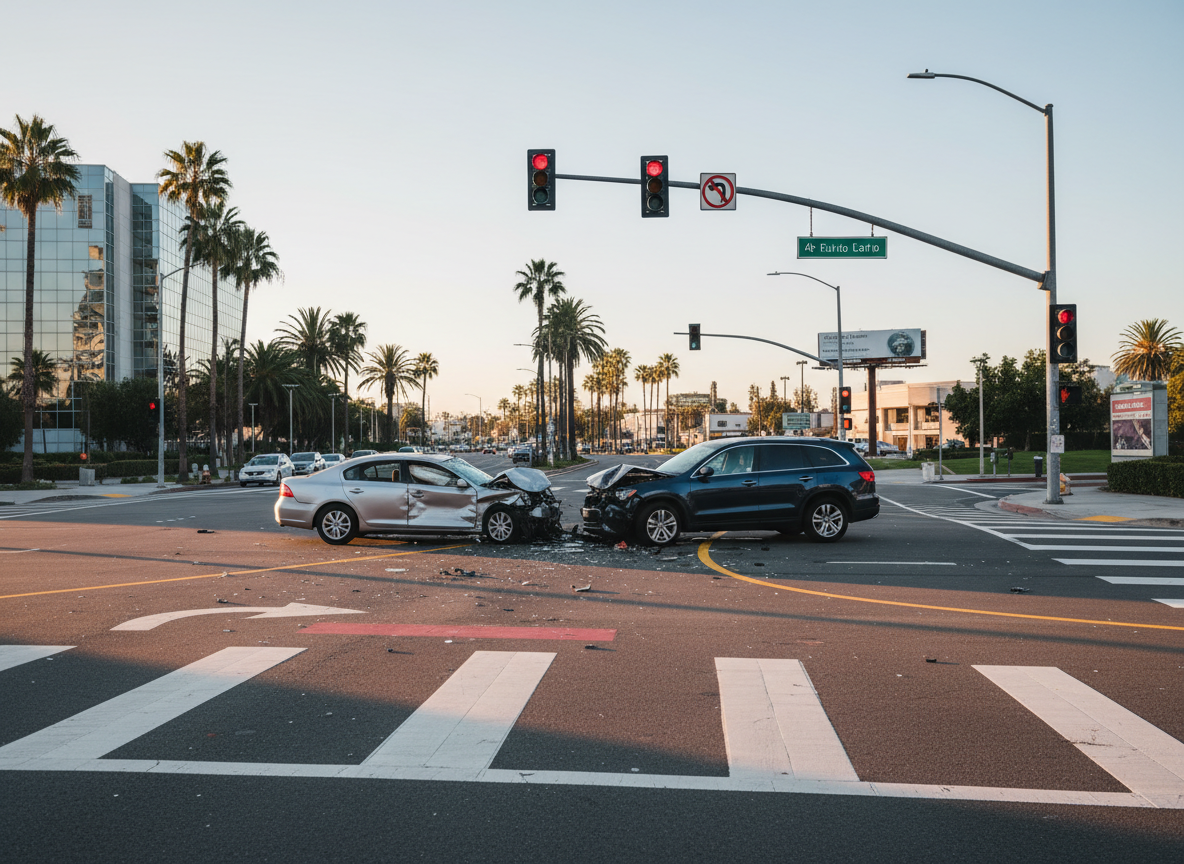
What If the Other Driver Blames You After a California Car Accident?
After a collision, it is common for drivers and insurers to disagree about who caused the crash. A liability dispute does not automatically end a California injury claim.
California uses comparative fault
California follows a comparative-fault system. If more than one person contributed to an accident, responsibility may be allocated among them. A claimant’s own percentage of fault can reduce the damages recoverable, but partial fault does not necessarily bar recovery.
An insurer’s fault decision is not a court judgment
An adjuster’s percentage allocation is a claim position. It can be challenged with evidence, and a judge or jury may ultimately reach a different conclusion if the case is litigated.
Evidence can change the allocation
Important evidence can include police reports, photographs, surveillance footage, dashcam video, witness testimony, roadway markings, traffic signals, vehicle damage, and electronic data.
Do not guess or speculate
Give accurate factual information about what you observed. Avoid estimating speed, distance, timing, or fault when you do not know. Statements made shortly after a collision may later be compared with physical evidence and testimony.
Comparative fault can affect settlement value
A liability dispute affects more than whether an insurer will pay. The percentage of fault assigned to each person can materially affect the value of the claim and should be evaluated together with the injury evidence and available coverage.
Preserve deadlines while the dispute is being investigated
Negotiations do not automatically extend legal deadlines. California personal-injury claims are generally subject to a two-year limitations period, with different or shorter deadlines in some matters.
Glendale Law Group represents injured people in disputed-liability car accident claims throughout Southern California. Call (818) 745-0101 for a free consultation.
This article provides general information only and is not legal advice. Reading it does not create an attorney-client relationship. Deadlines and rights depend on the facts, applicable law, and insurance policy language.