When an Insurance Company Denies Liability After a California Accident
An insurer’s liability decision is a claim position. It is not a court judgment. A denial should be tested against the evidence.
Identify the reason for the denial
The insurer may contend that its insured was not negligent, another driver caused the collision, the claimant was comparatively at fault, there was insufficient evidence, coverage does not apply, or the facts remain disputed. Those are different issues and require different responses.
Obtain the evidence supporting your version
Useful evidence can include collision reports, photographs, video, witness testimony, vehicle damage, roadway evidence, electronic data, and admissions by the parties.
Comparative fault does not always eliminate a claim
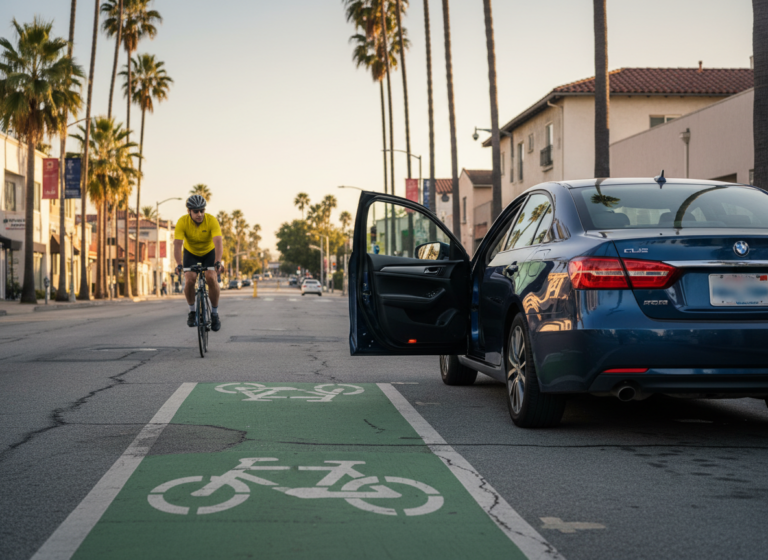
California follows comparative-fault principles. A dispute over whether the claimant shares some responsibility is not necessarily the same as a complete defense.
A coverage denial is different from a liability denial
An insurer may agree that its driver caused an accident but contend that the policy does not provide coverage. That presents a different analysis and may raise uninsured-motorist issues under the injured party’s own coverage.
Insurers have claims-handling obligations
California’s Fair Claims Settlement Practices Regulations impose requirements concerning claim communications, investigation, and claim decisions. The Department of Insurance identifies, among other standards, 15-day response obligations and a general 40-day accept-or-deny framework after receipt of proof of claim. Those rules do not guarantee payment, but they matter when evaluating claims handling.
Litigation may be necessary
If evidence supports liability and the insurer maintains a denial, filing suit may provide formal mechanisms for obtaining testimony, documents, electronic evidence, and other discovery.
Glendale Law Group handles disputed-liability accident claims throughout Southern California. Call (818) 745-0101 for a free consultation.
This article provides general information only and is not legal advice. Reading it does not create an attorney-client relationship. Deadlines and rights depend on the facts, applicable law, and insurance policy language.