Can a “Minor” Car Accident Still Cause a Serious Injury Claim?
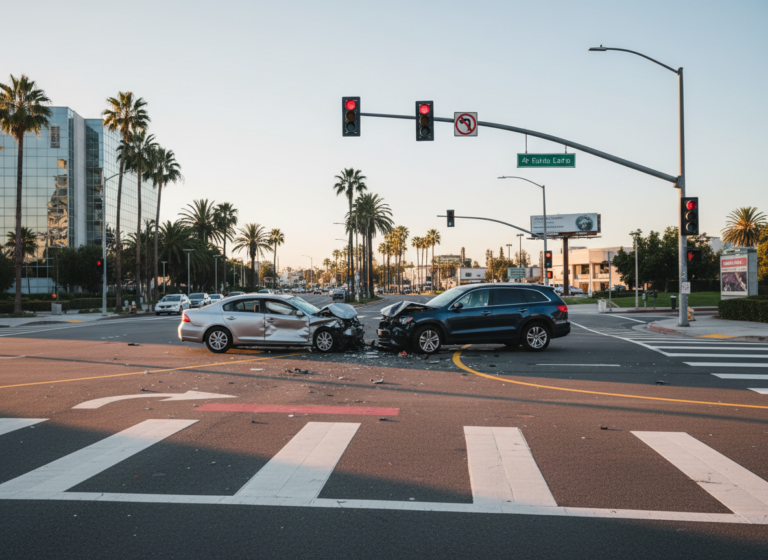
Insurance disputes sometimes focus heavily on photographs showing limited exterior vehicle damage. Property damage matters, but it is not the entire injury analysis.
Vehicle damage and bodily injury are different questions
A vehicle is engineered to absorb and distribute forces differently than the human body. Photographs can help evaluate a collision, but they do not by themselves establish whether an individual was or was not injured. The legal question remains whether the collision was a substantial factor in causing the claimed harm.
Medical evidence matters
Relevant evidence can include the onset and progression of symptoms, contemporaneous complaints, examinations, diagnostic imaging, objective findings, treatment, prior medical history, and medical opinions concerning causation.
Prior conditions do not automatically defeat causation
A collision can aggravate a preexisting condition. California law permits recovery for the extent to which wrongful conduct worsens a preexisting physical or emotional condition.
Gaps and inconsistencies will be examined
An insurer may question delayed treatment, inconsistent symptom reports, unrelated later injuries, substantial prior complaints, or treatment that does not correspond with medical findings. Those issues should be addressed with records and evidence.
Preserve the vehicles and photographs
Repair estimates, photographs, impact locations, parts invoices, and vehicle data may become relevant when the mechanics of the collision are disputed.
Avoid exaggeration in either direction
A strong claim does not require overstating the collision. Describe the impact, symptoms, and treatment accurately.
Glendale Law Group evaluates injury claims based on the complete evidence, including cases involving limited visible vehicle damage. Call (818) 745-0101 for a free consultation.
This article provides general information only and is not legal advice. Reading it does not create an attorney-client relationship. Deadlines and rights depend on the facts, applicable law, and insurance policy language.